Tuesday, 3 January 2012

Drumstick


Drumstick 

dmm
Drumstick tree called the "Power house of minerals" is the most common tree in India. Its leaves,fruits, flowers, barks and seeds have medicinal values and are used in various manners in all dishes. Invaluable in preventing cardiac diseases; researchers have stated that the nutritional value of the leaves is equivalent to 7 times the Vitamin C in oranges plus 4 times the calcium in milk plus 3 times potassium in bananas plus 2 times the protein in milk plus 4 times the vitamin A in Carrot. We were amazed to read it.

Drumstick Vegetable – What are Drumstick Health Benefits? | Health Benefits Of Drumstick |Nutrition Values Of Drumstick Vegetable 
The drumstick is a fairly common vegetable grown all over India and Pakistan. It is valued mainly for the tender pod. It is antibacterial and a wonderful cleanser. The drumstick tree is perennial, erect, slender, medium sized with many arching branches. It is mostly grown as a backyard tree in most of the South Indian homes. It has drumstick like fruits, small white flowers and small and round leaves which are cooked and eaten as vegetable. Nutritionally, drumstick pods and leaves are of great value as sources of acrotene, calcium, phosphorus and vitamin C. The leaves, flowers and fruits of drumstick which are used as vegetable have great nutritional value. The tender fruit is used in samber and most dishes in South Indian homes. The leaves and flowers are used to prepare curry and cake.
Juice of Drum stick when mixed in milk and offered to children greatly helps by strengthening their bones as it is said to be a great source of Calcium. Also drumstick is said to be a great blood purifier. Pregnant women should often eat drumsticks as it helps ease any kind of pre and post delivery complication. Drumstick soup helps ease any kind of chest congestions, coughs and sore throats. Inhaling steam of water in which drumsticks have been boiled helps ease asthma and other lung problem. 
The leaves are rich in Vitamins A and C and are considered useful in catarrhal affections. The pods made into a soup are prescribed as a diet in sub-acute cases of enlarged liver and spleen, articular pains, tetanus, debility of nerves, paralysis, pustules, patches and leprosy. A curry made from unripe pods is effective for keeping intestinal worms at bay.
Drumstick is generally included in sambar or kurma. For a different recipe, add it your soup to give it a very oriental taste.
Drumstick leaves can be given to infants and growing children and serve as a good tonic. However it may be difficult for children to eat them naturally, as they are bitter. So the best way to give them to infants would be to extract the juice from these leaves, filter it and mix them with milk before being given to them. However older children can be given the fruit and leaves in the form of curries and other preparations like the South Indian Sambar or mixed and cooked with pulses. They help build healthy and strong bones and also help to purify the blood stream.Pregnant and lactating mothers can benefit a lot from the health benefits of drumstick leaves and fruit. Drumstick leaves is an ideal tonic for pregnant and lactating mothers and provide them with the calcium, iron and vitamins that help to reduce the sluggishness of the uterus and help have a safe and easy delivery. 
Seven times more vitamin C than oranges to fight many illnesses including cold and flu. Four times more vitamin A than carrots to protect against eye disease, skin disease, and heart disease. Four times more calcium than milk to build strong bones and teeth. Three times more potassium than bananas essential for the functioning of the brain and nerves.Nearly 2 times the protein in milk and almost equal amounts of proteins as in eggs basic building blocks of all our body cells.The bark contains a gum that is used as a seasoning and a treatment for some stomach ailments.The seed is often used to purify dirty or cloudy drinking water. It is pounded into small fragments, wrapped in some sort or cloth, and then placed into water jars or containers.This pounded seed acts as flocculent, taking impurities out of water solution.
Drumstick Vegetable Health Benefits: 
1.Finally drumstick juice greatly adds to the glow on one’s face. Make a mixture of drumstick and limejuice and dab it on your face. You will find your face glowing greatly. 
2.Inhaling steam of water in which drumsticks have been boiled helps ease asthma and other lung problem. 
3.Drumstick soup helps ease any kind of chest congestions, coughs and sore throats. 
4.Pregnant women should often eat drumsticks as it helps ease any kind of pre and post delivery complication. 
5.Juice of Drum stick when mixed in milk and offered to children greatly helps by strengthening their bones as it is said to be a great source of Calcium. Also drumstick is said to be a great blood purifier.

Natural Benefits and Curative Properties of Drumstick

Almost all parts of the drumstick tree have therapeutic value. The leaves are especially beneficial in the treatment of many ailments due to their various medicinal properties and their rich iron content. They are used as food also.
  • Tonic for Children :- The leaves serve as a tonic for infants and growing children. For better results, juice should be extracted from leaves, filtered and mixed with milk. This mixture becomes an excellent tonic for healthy and strong bones and for purifying bloodstream.
  • Pregnancy and Lactation :- Taking this tonic regularly by expectant mothers will provide them with necessary calcium, iron and vitamins. It will also help them overcome sluggishness of the uterus, facilitate easy delivery and reduce post delivery complications. A vegetable prepared from leaves increases breast milk after child birth. The vegetable is prepared by boiling the leaves with salt and water. The water is then drained off and they are smeared with ghee and eaten.
  • Respiratory Disorder :- A soup prepared from drumstick leaves is highly beneficial in the treatment of respiratory diseases like asthma, bronchitis and tuberculosis. This soup is prepared by adding a handful of leaves to 80 ml. of water and is allowed to boil for five minutes. It should then be allowed to cool. A little salt, pepper and lime juice may be added to this soup
  • Infections :- Drumstick soup made with leaves and flowers as well as boiled drumsticks are highly valuable in preventing infections of all kinds such as that of the throat, chest and skin. This is because drumstick has antibacterial properties very much like penicillin and other antibiotics.
  • Sexual Disorders :- A soup made with drumstick flowers boiled in milk is very useful as a sexual tonic in the treatment of sexual debility. It is also useful in functional sterility in both males and females. The powder of the dry bark is valuable in impotency, premature ejaculation and thinness of semen. About 120 gm. of the powder of the dry bark should be boiled in 600 ml. of water for about half an hour and 30 ml. of this. mixed with a table spoonful of honey, should be taken three times daily for a month to cure these conditions.
  • Digestive Disorders :- Drumstick is also valuable in digestive disorders. A teaspoonful of fresh leaf juice, mixed with honey and a glassful of tender coconut water, is given two or three times as a herbal medicine during the treatment of cholera,dysenterydiarrhea, colitis and jaundice.
  • Urinary Disorders :- A tablespoonful of coagulated fresh leaf juice, mixed with a glass of fresh juice of cucumber or carrot, is an effective medicine for scanty urination and constant burning in urethra due to high acidity of urine. A teaspoonful of the juice with 10 gm. of rock salt once daily, is used to cure excessive urination of non diabetics.
  • Beauty-Aid :- Fresh leaf juice applied with lime juice is useful in the treatment of pimples, black heads and keeps one's face fresh.

Thursday, 22 December 2011

Garlic


Garlic has long been credited with providing and prolonging physical strength and was fed to Egyptian slaves building the giant pyramids. Throughout the centuries, its medicinal claims have included cures for toothaches, consumption, open wounds and evil demons. A member of the lily family, garlic is a cousin to leeks, chives, onions and shallots. The edible bulb or "head" grows beneath the ground. This bulb is made up of sections called cloves, each encased in its own parchmentlike membrane. Today's major garlic suppliers include the United States (mainly California, Texas and Louisiana), France, Spain, Italy and Mexico. There are three major types of garlic available in the United States: the white-skinned, strongly flavored American garlic; the Mexican and Italian garlic, both of which have mauve-colored skins and a somewhat milder flavor; and the Paul Bunyanesque white-skinned elephant garlic (which is not a true garlic, but a relative of the leek), the most mildly flavored of the three. Depending on the variety, cloves of American, Mexican and Italian garlic can range from ½ to 1½ inches in length. Elephant garlic (grown mainly in California) has bulbs the size of a small grapefruit, with huge cloves averaging 1 ounce each. It can be purchased through mail order and in some gourmet markets. Green garlic, typically available only in specialty produce markets and farmer's markets, is young garlic before it begins to form cloves. It resembles a baby leek, with a long green top and just the beginning of a white bulb, sometimes tinged with pink. The flavor of a baby plant is much softer than that of mature garlic. Green garlic is harvested between March and May. Fresh mature garlic is available year-round. Purchase firm, plump bulbs with dry skins. Avoid heads with soft or shriveled cloves and those stored in the refrigerated section of the produce department. Store fresh garlic in an open container (away from other foods) in a cool, dark place. Properly stored, unbroken bulbs can be kept up to eight weeks, though they will begin to dry out toward the end of that time. Once broken from the bulb, individual cloves will keep from three to 10 days. Garlic is usually peeled before use in recipes. Among the exceptions are roasted garlic bulbs and the famous dish "Chicken with 40 Cloves of Garlic," in which unpeeled garlic cloves are baked with chicken in a broth until they become sweet and butter-soft. Crushing, chopping, pressing or puréeing garlic releases more of its essential oils and provides a sharper, more assertive flavor than slicing or leaving it whole. Garlic is readily available in forms other than fresh. Dehydrated garlic flakes(sometimes referred to as instant garlic) are slices or bits of garlic that must be reconstituted before using (unless added to a liquid-based dish, such as soup or stew). When dehydrated garlic flakes are ground, the result is garlic powder. Garlic salt is garlic powder blended with salt and a moisture-absorbing agent. Garlic extract and garlic juice are derived from pressed garlic cloves. Though all of these products are convenient, they're a poor flavor substitute for the less expensive, readily available and easy-to-store fresh garlic. One unfortunate side effect of garlic is that because its essential oils permeate the lung tissue, it remains with the body long after it's been consumed, affecting breath and even skin odor. Chewing chlorophyll tablets or fresh parsley is helpful but, unfortunately, modern-day science has yet to find the perfect antidote for residual garlic odor.
Garlic is good for your body. It contains minerals and vitamins and has a positive effect on your blood pressure and cholesterol. However, your body can not break the sulfur compounds during normal digestion and are therefore emitted through your breath and sweat and this can take hours or even days.

Native to central Asia, garlic is one of the oldest cultivated plants in the world and has been grown for over 5000 years. Ancient Egyptians seem to have been the first to cultivate this plant that played an important role in their culture.
Garlic was not only bestowed with sacred qualities and placed in the tomb of Pharaohs, but it was given to the slaves that built the Pyramids to enhance their endurance and strength. This strength-enhancing quality was also honored by the ancient Greeks and Romans, civilizations whose athletes ate garlic before sporting events and whose soldiers consumed it before going off to war.
Garlic was introduced into various regions throughout the globe by migrating cultural tribes and explorers. By the 6th century BC, garlic was known in both China and India, the latter country using it for therapeutic purposes.
Throughout the millennia, garlic has been a beloved plant in many cultures for both its culinary and medicinal properties. Over the last few years, it has gained unprecedented popularity since researchers have been scientifically validating its numerous health benefits.
Currently, China, South Korea, India, Spain and the United States are among the top commercial producers of garlic.


Whole books have been written about garlic, an herb affectionately called "the stinking rose" in light of its numerous therapeutic benefits. A member of the lily or Allium family, which also includes onions and leeks, garlic is rich in a variety of powerful sulfur-containing compounds including thiosulfinates(of which the best known compound is allicin), sulfoxides(among which the best known compound is alliin), and dithiins(in which the most researched compound is ajoene). While these compounds are responsible for garlic's characteristically pungent odor, they are also the source of many of its health-promoting effects.
More recent research has identified additional sulfur-containing compounds that are responsible for garlic's star status as a health-supporting food. These sulfur compounds include 1,2-vinyldithiin (1,2-DT), and thiacremonone. The hydrogen sulfide gas (H2S) that can be made from garlic's sulfides has also been the subject of great research interest. When produced and released from our red blood cells, this H2S gas can help dilate our blood vessels and help keep our blood pressure under control.
Finally, when thinking about the sulfur compounds in garlic, it is important to remember that sulfur itself is a key part of our health. Several research studies have noted that the average U.S. diet may be deficient in sulfur, and that foods rich in sulfur may be especially important for our health. In addition to all of the sulfur-related compounds listed above, garlic is an excellent source of manganese, a very good source of vitamin B6 and vitamin C and a good
source of selenium.

Cardiovascular Benefits
Most of the research on garlic and our cardiovascular system has been conducted on garlic powder, garlic oil, or aged garlic extracts rather than garlic in food form. But despite this research limitation, food studies on garlic show this allium vegetable to have important cardioprotective properties. Garlic is clearly able to lower our blood triglycerides and total cholesterol, even though this reduction can be moderate (5-15%).
But cholesterol and triglyceride reduction are by no means garlic's most compelling benefits when it comes to cardioprotection. Those top-level benefits clearly come in the form of blood cell and blood vessel protection from inflammatory and oxidative stress. Damage to blood vessel linings by highly reactive oxygen molecules is a key factor for increasing our risk of cardiovascular problems, including heart attack and atherosclerosis. Oxidative damage also leads to unwanted inflammation, and it is this combination of unwanted inflammation and oxidative stress that puts our blood vessels at risk of unwanted plaque formation and clogging. Garlic unique set of sulfur-containing compounds helps protect us against both possibilities—oxidative stress and unwanted inflammation.

* "Allyl polysulfides" is a general term that refers to a variety of compounds.
On the anti-inflammatory side of the equation, garlic's 1,2-vinyldithiin (1,2-DT) and thiacremonone are the compounds that have been of special interest in recent research. Both compounds appear to work by inhibiting the activity of inflammatory messenger molecules. In the case of thiacremonone, it is the inflammatory transcription factor called NFkappaB that gets inhibited. In the case of 1,2-DT, the exact anti-inflammatory mechanisms are not yet clear, even though the release of inflammatory messaging molecules like interleukin 6 (IL-6) and interleukin 8 (IL-8) by macrophage cells has been shown to be reduced in white adipose tissue by 1,2-DT. The combination of anti-inflammatory and anti-oxidative stress compounds in garlic makes it a unique food for cardiovascular support, especially in terms of chronic degenerative cardiovascular conditions like atherosclerosis.
In addition to the ability of garlic to help prevent our blood vessels from becoming blocked, this allium vegetable may also be able to help prevent clots from forming inside of our blood vessels. This cardiovascular protection has been linked to one particular disulfide in garlic called ajoene. Ajoene has repeatedly been shown to have anti-clotting properties. It can help prevent certain cells in our blood (called platelets) from becoming too sticky, and by keeping this stickiness in check, it lowers the risk of our platelets clumping together and forming a clot.
Equally impressive about garlic is its ability to lower blood pressure. Researchers have known for about 10 years that the allicin made from alliin in garlic blocks the activity of angiotensin II. A small piece of protein (peptide), angiotensin II helps our blood vessels contract. (When they contract, our blood is forced to pass through a smaller space, and the pressure is increased.) By blocking the activity of angiotensin II, allicin form garlic is able to help prevent unwanted contraction of our blood vessels and unwanted increases in blood pressure.
More recently, however, researchers have found that garlic supports our blood pressure in a second and totally different way. Garlic is rich in sulfur-containing molecules called polysulfides. It turns out that these polysulfides, once inside our red blood cells (RBCs), can be further converted by our RBCs into a gas called hydrogen sulfide (H2S). H2S helps control our blood pressure by triggering dilation of our blood vessels. When the space inside our blood vessels expands, our blood pressure gets reduced. (H2S is described as a "gasotransmitter" and placed in the same category as nitric oxide (NO) as a messaging molecule that can help expand and relax our blood vessel walls.) Interestingly, our RBCs do not appear to use processed garlic extracts in the same way that they use polysulfides in food-form garlic.
Garlic's numerous beneficial cardiovascular effects are due to not only its sulfur compounds, but also to its vitamin C, vitamin B6, selenium and manganese. Garlic is a very good source of vitamin C, the body's primary antioxidant defender in all aqueous (water-soluble) areas, such as the bloodstream, where it protects LDL cholesterol from oxidation. Since it is the oxidized form of LDL cholesterol that initiates damage to blood vessel walls, reducing levels of oxidizing free radicals in the bloodstream can have a profound effect on preventing cardiovascular disease.
Garlic's vitamin B6 helps prevent heart disease via another mechanism: lowering levels of homocysteine. An intermediate product of an important cellular biochemical process called the methylation cycle, homocysteine can directly damage blood vessel walls.
The selenium in garlic can become an important part of our body's antioxidant system. A cofactor of glutathione peroxidase(one of the body's most important internally produced antioxidant enzymes), selenium also works with vitamin E in a number of vital antioxidant systems.
Garlic is rich not only in selenium, but also in another trace mineral, manganese, which also functions as a cofactor in a number of other important antioxidant defense enzymes, for example, superoxide dismutase. Studies have found that in adults deficient in manganese, the level of HDL (the "good form" of cholesterol) is decreased.
Anti-Inflammatory Benefits Across Body Systems
Our cardiovascular system is not the only body system that may be able to benefit from garlic's anti-inflammatory properties. There's preliminary evidence (mostly from animal studies, and mostly based on garlic extracts rather than whole food garlic) that our our musculoskeletal system and respiratory system can also benefit from anti-inflammatory compounds in garlic. Both the diallyl sulfide (DAS) and thiacremonone in garlic have been shown to have anti-arthritic properties. And in the case of allergic airway inflammation, aged garlic extract has been show to improve inflammatory conditions (once again in animal studies).
Even more preliminary is research evidence showing that some inflammatory aspects of obesity may be altered by sulfur-containing compounds in garlic. Specifically, there is one stage in development of the body's fat cells (adipocytes) that appears to be closely related to status of our inflammatory system. Fat cells cannot become fully themselves unless they are able to progress from a preliminary stage called "preadipocytes" to a final stage called "adipocytes." One of the sulfur compounds in garlic (1,2,-vinyldithiin, or 1,2-DT) appears able to lessen this conversion of preadipocytes into adipocytes, and the impact of 1,2-DT appears to be inflammation-related. Even though very preliminary, this research on 1,2-DT is exciting because obesity is increasingly being understood as a disease characterized by chronic, low level inflammation and our inflammatory status is precisely where garlic's 1,2-DT has its apparent impact.
Antibacterial and Antiviral Benefits
From a medical history standpoint, the antibacterial and antiviral properties of garlic are perhaps its most legendary feature. This allium vegetable and its constituents have been studied not only for their benefits in controlling infection by bacteria and viruses, but also infection from other microbes including yeasts/fungi and worms. (One particular disulfide in garlic, called ajoene, has been successfully used to help prevent infections with the yeast Candida albicans.) Very recent research has shown the ability of crushed fresh garlic to help prevent infection by the bacterium Pseudomonas aeruginosa in burn patients. Also of special interest has been the ability of garlic to help in the treatment of bacterial infections that are difficult to treat due to the presence of bacteria that have become resistant to prescription antibiotics. However, most of the research on garlic as an antibiotic has involved fresh garlic extracts or powdered garlic products rather than fresh garlic in whole food form.
Overgrowth of the bacterium Helicobacter pylori in the stomach—a key risk factor for stomach ulcer—has been another key area of interest for researchers wanting to explore garlic's antibacterial benefits. Results in this area, however, have been mixed and inconclusive. While garlic may not be able to alter the course of infection itself, there may still be health benefits from garlic in helping to regulate the body's response to that infection.
Cancer Prevention
While not as strong as the research evidence for cruciferous vegetables, research on the allium vegetables—including garlic—shows that these vegetables have important anti-cancer properties. Interestingly, high intake of garlic (roughly translated as daily intake of this food) has been found to lower risk of virtually all cancer types except cancer of the prostate and breast cancer. However, moderate intake of garlic (roughly translated as several times per week) has been repeatedly found to lower risk of only two cancer types—colorectal and renal cancer. This difference between "high" versus "moderate" garlic intake may be a real difference that suggests we all need to eat more garlic if we want to maximize its cancer-related benefits. Or it may be a difference that is more related to research complications involving the options given to research participants when reporting their food intake. Still, garlic has a consistent track record with respect to general anti-cancer benefits, and there are good research reasons for classifying garlic as an "anti-cancer" food.
The allyl sulfides found in garlic may play a key role in its cancer-prevention benefits. These garlic compounds are able to activate a molecule called nuclear erythroid factor (Nrf2) in the main compartment of cells. The Nrf2 molecule then moves from the main compartment of the cell into the cell nucleus, where it triggers a wide variety of metabolic activities. Under some circumstances, this set of events can prepare a cell for engagement in a strong survival response, and in particular, the kind of response that is needed under conditions of oxidative stress. Under other circumstances, this same set of events can prepare the cell to engage in programmed cell death (apoptosis). When a cell recognizes that it has become too compromised to continue functioning in a healthy manner with other cells, it stops proceeding through its own life cycle and essentially starts to dismantle itself and recycle its parts. It's critical for a cell to determine whether it should continue on or shut itself down, because cells that continue on without the ability to properly function or communicate effectively with other cells are at risk of becoming cancerous. The ability of garlic's allyl sulfides to activate Nrf2 suggests that garlic may be able to help modify these all-critical cell responses and prevent potentially cancerous cells from forming.
One especially interesting area of research on garlic and cancer prevention involves meat cooked at high temperatures. Heterocyclic amines (HCAs) are cancer-related substances that can form when meat comes into contact with a high-temperature cooking surface (400ËšF/204ËšC or higher). One such HCA is called PhIP (which stands for 2-amino-1-methyl-6-phenylimidazopyridine). PhIP is thought to be one reason for the increased incidence of breast cancer among women who eat large quantities of meat because it is rapidly transformed into DNA-damaging compounds.
Diallyl sulfide (DAS), one of the many sulfur-containing compounds in garlic, has been shown to inhibit the transformation of PhIP into carcinogens. DAS blocks this transformation by decreasing the production of the liver enzymes (the Phase I enzymes CYP1A1, CYP1A2 and CYP1B1) that transform PhIP into activated DNA-damaging compounds. Of course, your best way to prevent formation of PhIP is not to bring your meat into contact with a 400ËšF/204ËšC cooking surface in the first place. But this area of research still bolsters our view of garlic as an allium vegetable with important cancer-preventive properties.

Garlic and Iron Metabolism
Recent research has shown that garlic may be able to improve our metabolism of iron. When iron is stored up in our cells, one of the key passageways for it to be moved out of the cell and returned into circulation involves a protein called ferroportin. Ferroportin is protein that runs across the cell membrane, and it provides a bridge for iron to cross over and leave the cell. Garlic may be able to increase our body's production of ferroportin, and in this way, help keep iron in circulation as it is needed.


Nutritional Profile

The sulfur compounds in garlic are perhaps its most unique nutrients. There are literally dozens of well-studied sulfur molecules in garlic, and virtually all of them have been shown to function as antioxidants. In addition, many provide us with anti-inflammatory benefits. The very presence of sulfur in some many different garlic compounds may also play an important role in our nourishment.
Additionally, garlic is an excellent source of manganese. It is also a very good source of vitamin B6 and vitamin C. In addition, garlic is a good source of protein and thiamin (vitamin B1) as well as the minerals phosphorus, selenium, calcium, and copper.

Thursday, 15 December 2011

Fennel

Fennel
A number of different plants go by the name "fennel." 


Fennel is crunchy and slightly sweet, adding a refreshing contribution to the ever popular Mediterranean cuisine. Most often associated with Italian cooking, be sure to add this to your selection of fresh vegetables from the autumn through early spring when it is readily available and at its best.
Fennel is composed of a white or pale green bulb from which closely superimposed stalks are arranged. The stalks are topped with feathery green leaves near which flowers grow and produce fennel seeds. The bulb, stalk, leaves and seeds are all edible. Fennel belongs to the Umbellifereae family and is therefore closely related to parsley, carrots, dill and coriander. 
Fennel is a versatile vegetable that plays an important role in the food culture of many European nations, especially in France and Italy. Its esteemed reputation dates back to the earliest times and is reflected in its mythological traditions. Greek myths state that fennel was not only closely associated with Dionysus, the Greek god of food and wine, but that a fennel stalk carried the coal that passed down knowledge from the gods to men.
Fennel is composed of a white or pale green bulb from which closely superimposed stalks are arranged. The stalks are topped with feathery green leaves near which flowers grow and produce fennel seeds. The bulb, stalk, leaves and seeds are all edible. Fennel belongs to the Umbellifereae family and is therefore closely related to parsley, carrots, dill and coriander.
Fennel's aromatic taste is unique, strikingly reminiscent of licorice and anise, so much so that fennel is often mistakenly referred to as anise in the marketplace. Fennel's texture is similar to that of celery, having a crunchy and striated texture.
The scientific name for fennel is Foeniculum vulgare.
Ever since ancient times, fennel has enjoyed a rich history. The ancient Greeks knew fennel by the name "marathron"; it grew in the field in which one of the great ancient battles was fought and which was subsequently named the Battle of Marathon after this revered plant. Fennel was also awarded to Pheidippides, the runner who delivered the news of the Persian invasion to Sparta. Greek myths also hold that knowledge was delivered to man by the gods at Olympus in a fennel stalk filled with coal. Fennel was revered by the Greeks and the Romans for its medicinal and culinary properties.
Fennel has been grown throughout Europe, especially areas surrounding the Mediterranean Sea, and the Near East since ancient times. Today, the United States, France, India and Russia are among the leading cultivators of fennel.
Unique Phytonutrients with Antioxidant and Health-Promoting Effects
Like many of its fellow spices, fennel contains its own unique combination of phytonutrients—including the flavonoids rutin,quercitin, and various kaempferol glycosides—that give it strong antioxidant activity. The phytonutrients in fennel extracts compare favorably in research studies to BHT (butylated hydroxytoluene), a potentially toxic antioxidant commonly added to processed foods.
The most fascinating phytonutrient compound in fennel, however, may be anethole—the primary component of its volatile oil. In animal studies, the anethole in fennel has repeatedly been shown to reduce inflammation and to help prevent the occurrence of cancer. Researchers have also proposed a biological mechanism that may explain these anti-inflammatory and anticancer effects. This mechanism involves the shutting down of a intercellular signaling system called tumor necrosis factor (or TNF)-mediated signaling. By shutting down this signaling process, the anethole in fennel prevents activation of a potentially strong gene-altering and inflammation-triggering molecule called NF-kappaB. The volatile oil has also been shown to be able to protect the liver of experimental animals from toxic chemical injury.
Antioxidant Protection and Immune Support from Vitamin C
In addition to its unusual phytonutrients, fennel bulb is an excellent source of vitamin C. Vitamin C is the body's primary water-soluble antioxidant, able to neutralize free radicals in all aqueous environments of the body. If left unchecked, these free radicals cause cellular damage that results in the pain and joint deterioration that occurs in conditions like osteoarthritis and rheumatoid arthritis.
The vitamin C found in fennel bulb is directly antimicrobial and is also needed for the proper function of the immune system.
Fiber, Folate and Potassium for Cardiovascular and Colon Health
As a very good source of fiber, fennel bulb may help to reduce elevated cholesterol levels. And since fiber also removes potentially carcinogenic toxins from the colon, fennel bulb may also be useful in preventing colon cancer. In addition to its fiber, fennel is a very good source of folate, a B vitamin that is necessary for the conversion of a dangerous molecule calledhomocysteine into other, benign molecules. At high levels, homocysteine, which can directly damage blood vessel walls, is considered a significant risk factor for heart attack or stroke. Fennel is also a very good source of potassium, a mineral that helps lower high blood pressure, another risk factor for stroke and heart attack. In a cup of fennel, you'll receive 10.8% of the daily value for fiber, 5.9% of the DV for folate, and 10.3% of the DV for potassium.

Fennel is an excellent source of vitamin C. It is also a very good of dietary fiber, potassium, manganese, folate, and molybdenum. In addition, fennel is a good source of niacin as well as the minerals phosphorus, calcium, magnesium, iron, and copper.


Fennel
1.00 cup
87.00 grams
26.97 calories
NutrientAmountDV
(%)
Nutrient
Density
World's Healthiest
Foods Rating
vitamin C10.44 mg17.411.6excellent
dietary fiber2.70 g10.87.2very good
potassium360.18 mg10.36.9very good
manganese0.17 mg8.55.7very good
folate23.49 mcg5.93.9very good
molybdenum4.35 mcg5.83.9very good
phosphorus43.50 mg4.32.9good
calcium42.63 mg4.32.8good
magnesium14.79 mg3.72.5good
iron0.64 mg3.62.4good
copper0.06 mg3.02.0good
vitamin B3 (niacin)0.56 mg2.81.9good


Florence

Florence fennel, Foeniculum vulgare v. azoricum, is an annual plant commonly used as a vegetable. Also called "bulb fennel," Florence fennel grows about 3 feet high and has a thick, bulb-like base that resembles celery. The leaf stems of Florence fennel are an important ingredient in Italian cuisine. You can incorporate Florence fennel into a stir-fry, serve it boiled or steamed, or add slices of raw fennel to a salad. "Trieste" and "Zefa Fino" are two varieties of Florence fennel recommended by Washington State University Extension.
Sweet or common fennel, Foeniculum vulgare, is a perennial plant grown as an herb as well as for its seeds. Sweet fennel can reach a height of 4 or 5 feet. In French and Italian cooking, fennel leaf is commonly added to sauces and mayonnaise. Fennel is also an ingredient in some kinds of breads, cakes and liquors.

Bronze

Bronze fennel or Foeniculum vulgare "Purpurascens" is a type of sweet fennel whose leaves have an attractive bronze cast. The plant is useful not only as an herb, but also as an ornamental in the flower garden. Bronze fennel is often planted in butterfly gardens, since it attracts butterflies and other beneficial insects. In particular, bronze fennel is an important host plant for the black swallowtail butterfly.

Fennel Seed

The term "fennel" also refers to fennel seed, which is actually the fruit of the plant rather than a true seed. The long, thin curved seeds vary in color from brown to light green, with the green seeds being considered the most valuable. Fennel seeds are used to add sweet anise-like flavor to the foods of many regional cuisines The seeds are also used as an ingredient in a wide range of products, including teas, soft drinks, curries, sausages, cough drops, laxatives and room sprays.

Protects the Liver

Fennel's seeds and roots may open liver pathways, ease liver inflammation and treat jaundice. The herb also protects the liver from toxins, according to a 2003 study by researchers from Yuzuncu Yil University in Turkey. Fennel's essential oil anethole protected liver cells from a toxin administered to laborary rats. The herb reduced levels of the toxin and bilirubin, a normal byproduct of expired red blood cell metabolism.

Inhibits Cancer Development

Fennel prevents cells exposed to carcinogens from mutating, according a 2010 study by researchers at Ain Shams University in Egypt. Fennel's water extract protected cells of laboratory mice from the developing the early stages of cancer. Researchers concluded the results warranted further studies exploring fennel's anti-cancer capacity.

Indigestion and Colic

Herbalists and naturopaths often recommend fennel tea to relieve indigestion, bloating, stomach cramps and gas. The University of Maryland Medical Center endorses fennel tea as a digestive aid, say fennel has antispasmodic and carminative--gas-reducing--properties. UMMC adds that the tea may help relieve colic in infants, but advises consulting a pediatrician before using it. In a clinical study conducted by Alexandrovich and colleagues and published in the July, 2003 issue of Alternative Therapies, researchers found that oil from fennel seeds worked better than a placebo in reducing colic symptoms in infants.

Use in Respiratory Tract Infections

Fennel tea, which has expectorant and antimicrobial qualities, has traditionally been used in herbal medicine to treat coughs, colds and upper respiratory tract infections. Natural Healing Guide says fennel tea is often used for alleviating symptoms of whooping cough, asthma, and bronchitis, and recommends using it as a gargle for sore throats. For anything other than minor respiratory infections, however, consult your doctor.

Menstrual Cramps

Fennel tea is a traditional remedy for menstrual cramps, and there is some scientific research supporting this use. In a clinical study conducted by Khorshidi and colleagues and published in the May 2003 issue of "Iranian Journal of Pharmaceutical Research," fennel essential oil worked as well as non-steroidal anti-inflammatory drugs in relieving menstrual cramping; researchers noted that a substance called anethole is probably responsible for fennel's pain-relieving and antispasmodic effects.


Sunday, 11 December 2011

Egg Plant


The ancient ancestors of eggplant grew wild in India and were first cultivated in China in the 5th century B.C. Eggplant was introduced to Africa before the Middle Ages and then into Italy, the country with which it has long been associated, in the 14th century. It subsequently spread throughout Europe and the Middle East and, centuries later, was brought to the Western Hemisphere by European explorers. Today, Italy, Turkey, Egypt, China and Japan are the leading growers of eggplant.
Although it has a long and rich history, eggplant did not always hold the revered place in food culture that it does today, especially in European cuisines. As a result of the overly bitter taste of the early varieties, it seems that people also felt that it had a bitter dispositionâ€"eggplant held the undeserved and inauspicious reputation of being able to cause insanity, leprosy and cancer.
For centuries after its introduction into Europe, eggplant was used more as a decorative garden plant than as a food. Not until new varieties were developed in the 18th century, did eggplant lose its bitter taste and bitter reputation, and take its now esteemed place in the cuisines of many European countries, including Italy, Greece, Turkey and France.
Eggplant, or aubergine as it is called in France, is a vegetable long prized for its beauty as well as its unique taste and texture. Eggplants belong to the plant family of Solanaceae, also commonly known as nightshades, and are kin to the tomato, bell pepper and potato. Eggplants grow in a manner much like tomatoes, hanging from the vines of a plant that grows several feet in height.
One of the most popular varieties of eggplant in North America looks like a pear-shaped egg, a characteristic from which its name is derived. The skin is glossy and deep purple in color, while the flesh is cream colored and spongy in consistency. Contained within the flesh are seeds arranged in a conical pattern.
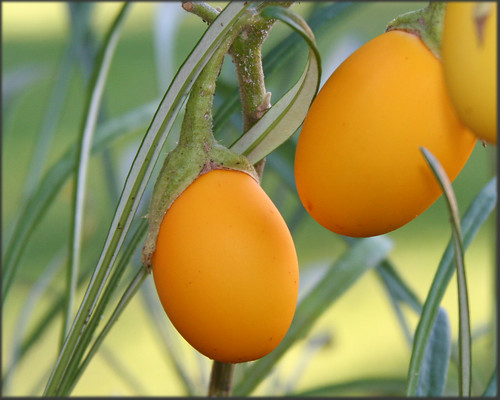
In addition to this variety, eggplant is also available in a cornucopia of other colors including lavender, jade green, orange, and yellow-white, as well as in sizes and shapes that range from that of a small tomato to a large zucchini.
While the different varieties do vary slightly in taste and texture, one can generally describe the eggplant as having a pleasantly bitter taste and spongy texture. In many recipes, eggplant fulfills the role of being a complementary ingredient that balances the surrounding flavors of the other more pronounced ingredients
In addition to featuring a host of vitamins and minerals, eggplant also contains important phytonutrients, many which have antioxidant activity. Phytonutrients contained in eggplant include phenolic compounds, such caffeic and chlorogenic acid, and flavonoids, such as nasunin.

Brain Food
Research on eggplant has focused on an anthocyanin phytonutrient found in eggplant skin called nasunin. Nasunin is a potent antioxidant and free radical scavenger that has been shown to protect cell membranes from damage. In animal studies, nasunin has been found to protect the lipids (fats) in brain cell membranes. Cell membranes are almost entirely composed of lipids and are responsible for protecting the cell from free radicals, letting nutrients in and wastes out, and receiving instructions from messenger molecules that tell the cell which activities it should perform.
Rich in Phenolic Antioxidant Compounds
Researchers at the US Agricultural Service in Beltsville, Maryland, have found that eggplants are rich sources of phenolic compounds that function as antioxidants. Plants form such compounds to protect themselves against oxidative stress from exposure to the elements, as well as from infection by bacteria and fungi.
The good news concerning eggplant is that the predominant phenolic compound found in all varieties tested is chlorogenic acid, which is one of the most potent free radical scavengers found in plant tissues. Benefits attributed to chlorogenic acid include antimutagenic (anti-cancer), antimicrobial, anti-LDL (bad cholesterol) and antiviral activities.
ARS researchers studied seven eggplant cultivars grown commercially in the U.S. and a diverse collection of exotic and wild eggplants from other counties. In addition to chlorogenic acid, they found 13 other phenolic acids present at significantly varying levels in the commercial cultivars, although chlorogenic acid was the predominant phenolic compound in all of them. Black Magic—a commercial eggplant cultivar representative of U.S. market types—was found to have nearly three times the amount of antioxidant phenolics as the other eggplant cultivars that were studied. In addition to their nutritive potential, the phenolic acids in eggplant are responsible for some eggplants' bitter taste and the browing that results when their flesh is cut. An enzyme called polyphenol oxidase triggers a phenolic reaction that produces brown pigments. Scientists have begun work on developing eggplant cultivars with an optimal balance of phenolics to ensure both optimal nutritional value and pleasing taste.
Cardiovascular Health and Free Radical Protection
When laboratory animals with high cholesterol were given eggplant juice, their blood cholesterol, the cholesterol in their artery walls and the cholesterol in their aortas (the aorta is the artery that returns blood from the heart back into circulation into the body) was significantly reduced, while the walls of their blood vessels relaxed, improving blood flow. These positive effects were likely due not only to nasunin but also to several other terpene phytonutrients in eggplant.
Nasunin is not only a potent free-radical scavenger, but is also an iron chelator. Although iron is an essential nutrient and is necessary for oxygen transport, normal immune function and collagen synthesis, too much iron is not a good thing. Excess iron increases free radical production and is associated with an increased risk of heart disease and cancer. Menstruating women, who lose iron every month in their menstrual flow, are unlikely to be at risk, but in postmenopausal women and men, iron, which is not easily excreted, can accumulate. By chelating iron, nasunin lessens free radical formation with numerous beneficial results, including protecting blood cholesterol (which is also a type of lipid or fat) from peroxidation; preventing cellular damage that can promote cancer; and lessening free radical damage in joints, which is a primary factor in rheumatoid arthritis.
Eggplant is an excellent source of digestion-supportive dietary fiber and bone-building manganese. It is very good source of enzyme-catalyzing molybdenum and heart-healthy potassium. Eggplant is also a good source of bone-building vitamin K and magnesium as well as heart-healthy copper, vitamin C, vitamin B6, folate, and niacin. Eggplant also contains phytonutrients such as nasunin and chlorogenic acid. Eggplant also contains phytonutrients such as nasunin and chlorogenic acid.
Eggplant
82.00 g
82.00 grams
19.68 calories
NutrientAmountDV
(%)
Nutrient
Density
World's Healthiest
Foods Rating
dietary fiber2.76 g11.010.1excellent
manganese0.20 mg10.09.1excellent
molybdenum4.10 mcg5.55.0very good
potassium188.60 mg5.44.9very good
folate18.04 mcg4.54.1good
vitamin K2.87 mcg3.63.3good
vitamin B6 (pyridoxine)0.07 mg3.53.2good
copper0.07 mg3.53.2good
tryptophan0.01 g3.12.9good
vitamin C1.80 mg3.02.7good
magnesium11.48 mg2.92.6good
vitamin B3 (niacin)0.53 mg2.62.4good